
For years, traditional math instruction has trained students (and teachers) to believe that math is a race to find a correct answer. When students face a problem that doesn’t immediately fit a learned procedure, they often stop, unsure how to proceed.
But true math understanding isn’t about getting a correct answer fast – and it doesn’t happen through speed drills or rote memorization. It happens through tasks that get kids to reason and think deeply. It’s about building flexible thinkers who can think critically and strategically, draw logical conclusions, and analyze numbers with confidence.
Shifting our classrooms away from ONLY rapid answer recall and toward deep, strategic thinking can feel overwhelming. But it doesn’t require a complete overhaul of your curriculum. Instead, it takes a few intentional tweaks to your daily routine.
Here are three simple instructional shifts you can make to build a culture of reasoning in your elementary classroom.
Shift #1: From Silent Calculation to Mathematical Discourse
Think about how many math blocks start: students walk in, sit down at their desks, and immediately begin working independently on a computational worksheet or morning work page. While there is certainly a time and place for independent practice, starting the math block in this way skips one of the most essential steps of mathematical reasoning: discourse.
To shift this dynamic, try dedicating the first 5 to 10 minutes of your math block to intentional, collaborative math conversations. There are many ways to do this:
1. Present a problem and discuss different strategies to solve it – number talk style. The math conversations that happen during number talks will forever transform your classroom. Students will have the opportunity to hear others’ strategies and develop their own reasoning skills as they observe and listen to different ways of thinking.
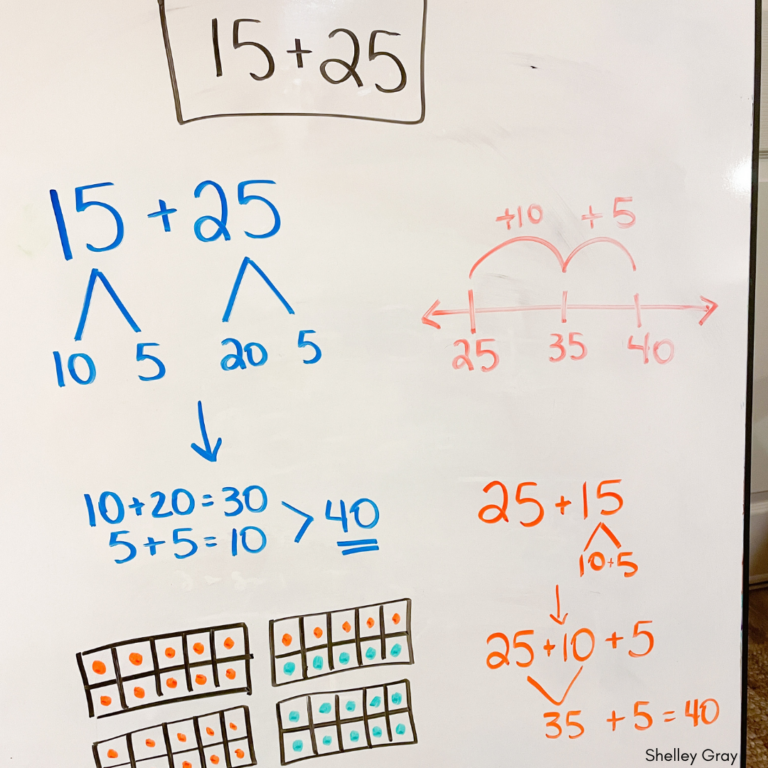
2. Instead of presenting a problem to solve, display a rich visual prompt—such as a data set, a number line, an array, or a pattern.
Instead of asking, “What is the answer?” change your prompting to open-ended, thought-provoking questions:
“What do you notice here? What do you wonder?”
“How do you know for sure? How could you prove it?”
“What happens if we change [this]?”
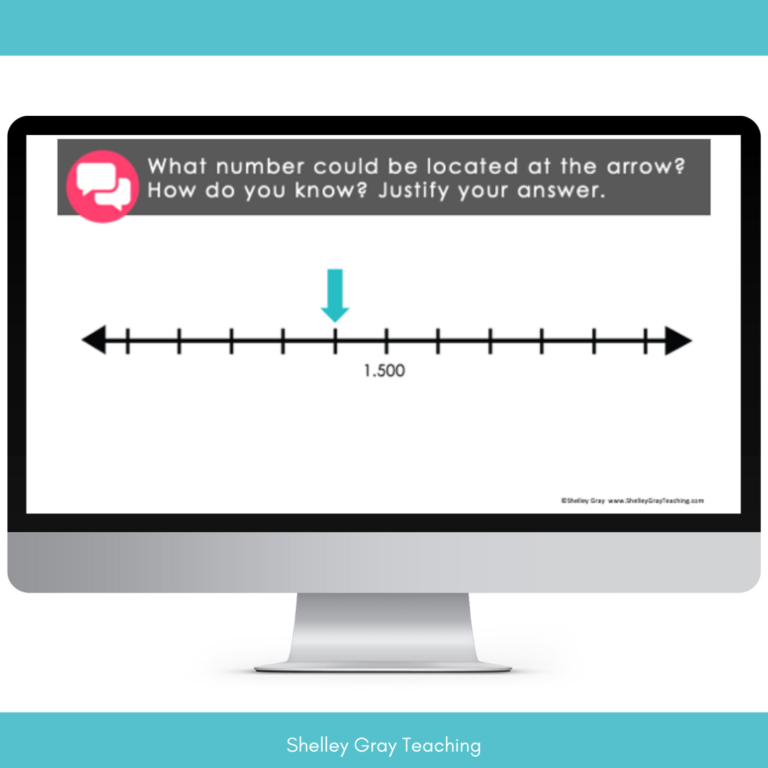
Here’s an example from my Math Conversations slides, which encourages students to reason using a number line. There are endless options for answers here! The ultimate goal is for students to reason and justify their thinking.
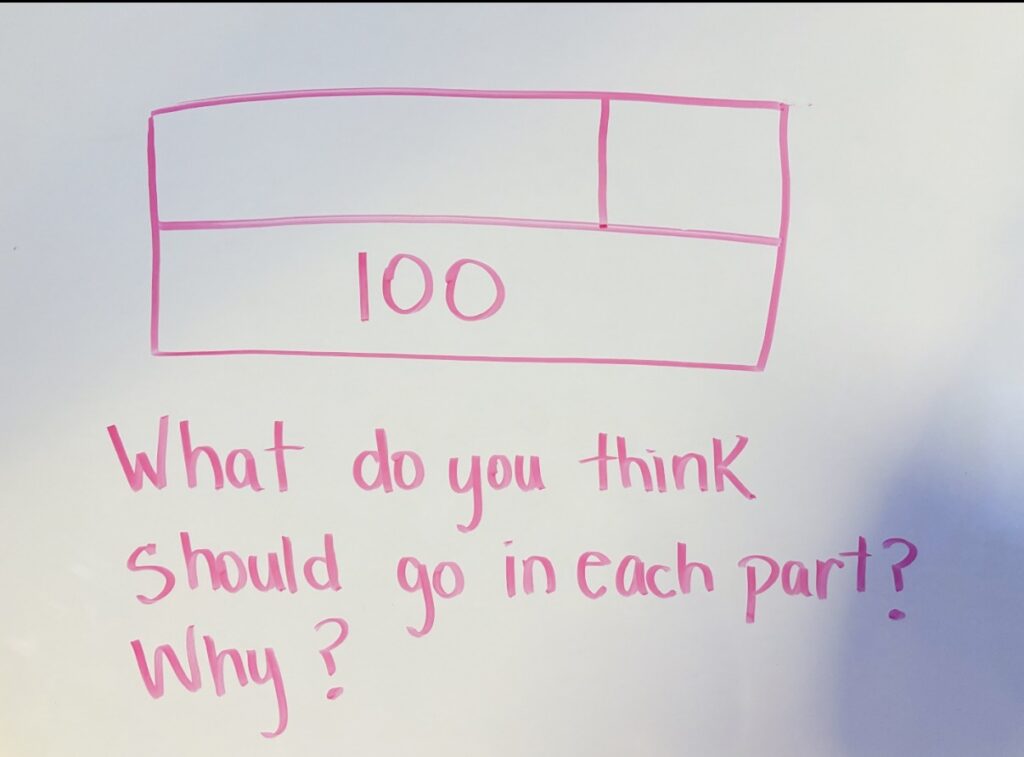
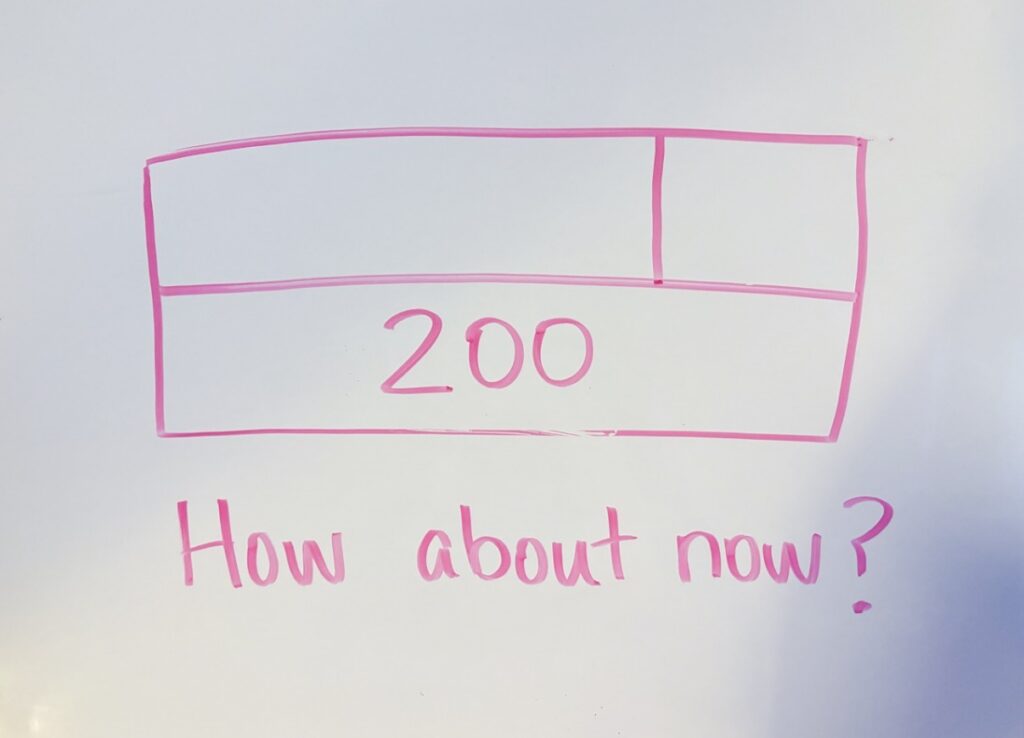
3. Rather than simple “find the answer” type questions for addition and subtraction, change your questioning to encompass reasoning. For example, look at the part-part-whole models below. Just imagine the conversation that comes from trying to decide what the parts represent!
“I think it’s 60 and 40 because one part is bigger than the other.”
“No, I think it’s more like 75 and 25 because the small part seems to be about one-fourth of the total.”
Questions like this are a goldmine for mathematical reasoning and discourse.
By prioritizing math conversation, students are exposed to multiple ways of thinking. They learn that their classmates might see a problem entirely differently than they do, and that both ways are valid. This simple daily routine builds a strong foundation of vocabulary, flexible thinking, and confidence.
Bring it to your classroom: If you want to implement this routine tomorrow without spending hours hunting down visual prompts, check out my Math Conversations Slides. This zero-prep digital resource gives you an entire year’s worth of visual prompts and discussion starters designed to get your elementary students thinking critically and talking about math the moment your block begins.
Shift #2: From Abstract Practice to Concrete Modeling
Too often, we rush students into memorized procedures, tricks, and algorithms before they truly understand number relationships and develop strong number sense. We ask them to memorize procedures like “carrying a 1” or “just add a zero to the end.” These procedures can get them to a correct answer but completely bypass mathematical reasoning.
When students learn only abstract procedures and rules, they can lose the ability to estimate, self-correct, or visualize what is actually happening with the numbers. Additionally, they may struggle with future math concepts, as it’s more difficult to make connections and develop new understanding when their foundation is based on a memorized procedure.
To break this cycle, we can shift toward hands-on, concrete modeling, even in upper grades. When students can SEE the math they are working with, it’s far easier to understand! This is where tools like Cuisenaire rods become absolute magic at any grade level.
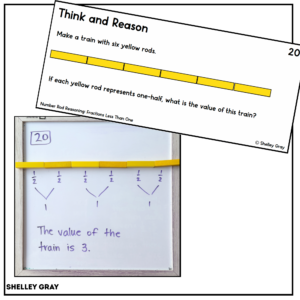
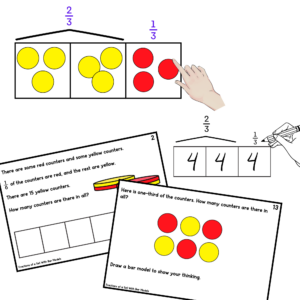
Because Cuisenaire rods are not labeled with any value, they can be used in a variety of ways to represent numbers (even fractions!) They force students to think about numbers in terms of relationships, proportionality, or parts of a whole. Here are some examples of Cuisenaire rod tasks that encourage reasoning. For Cuisenaire rod tasks for fractions, see THIS blog post with tons of ideas.
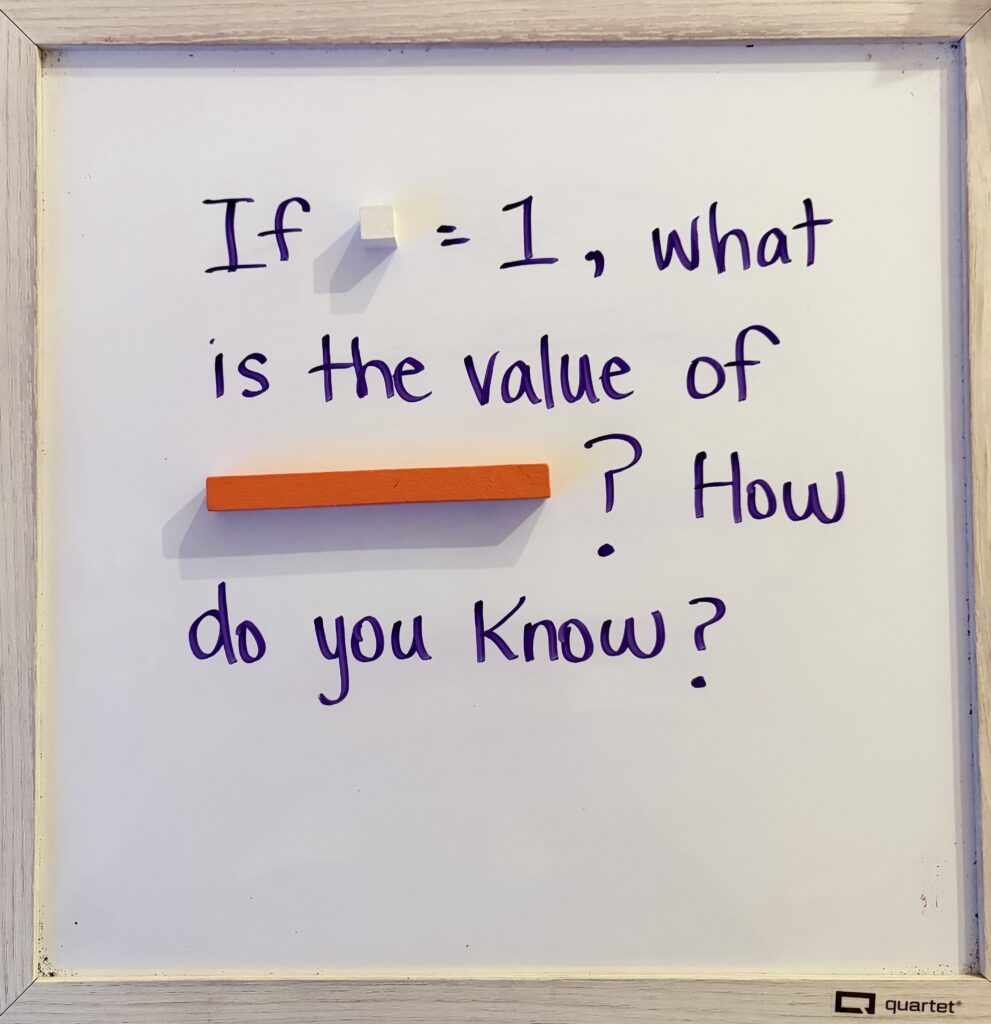
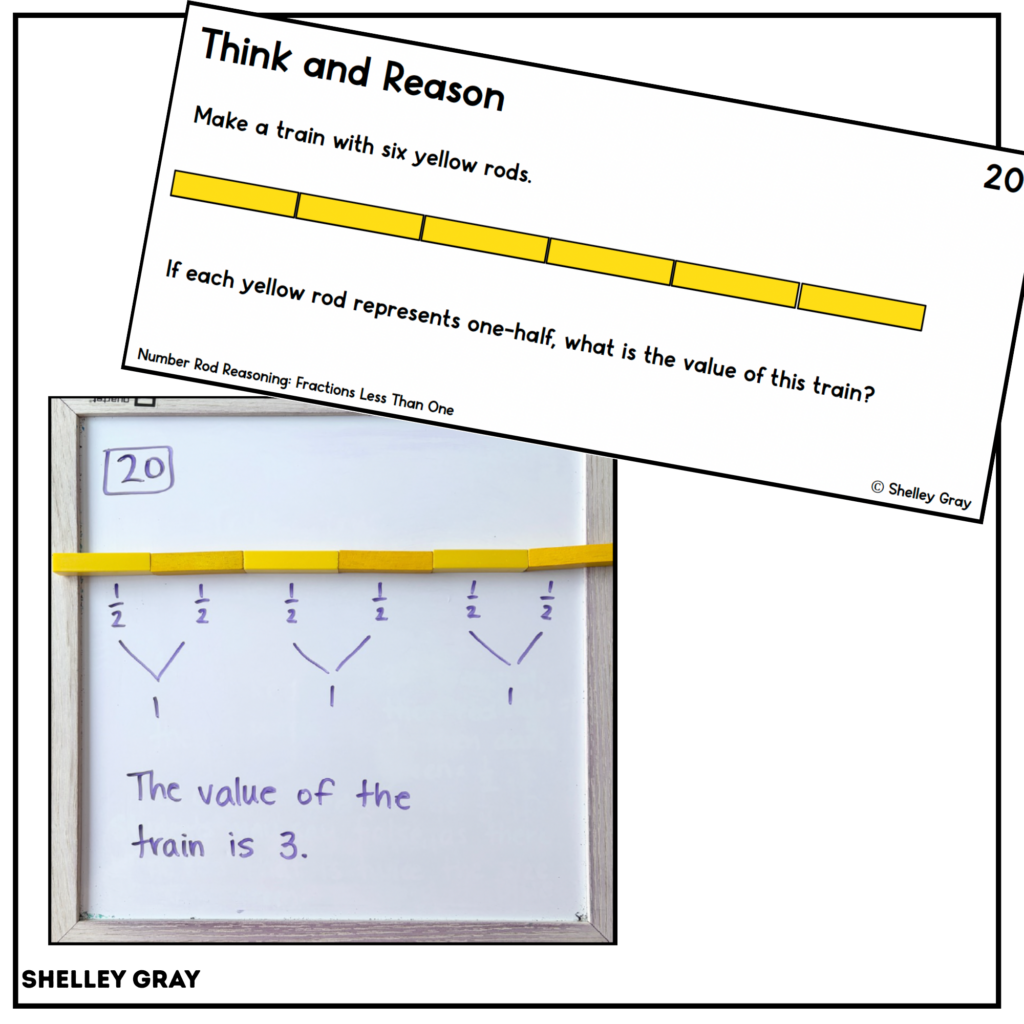
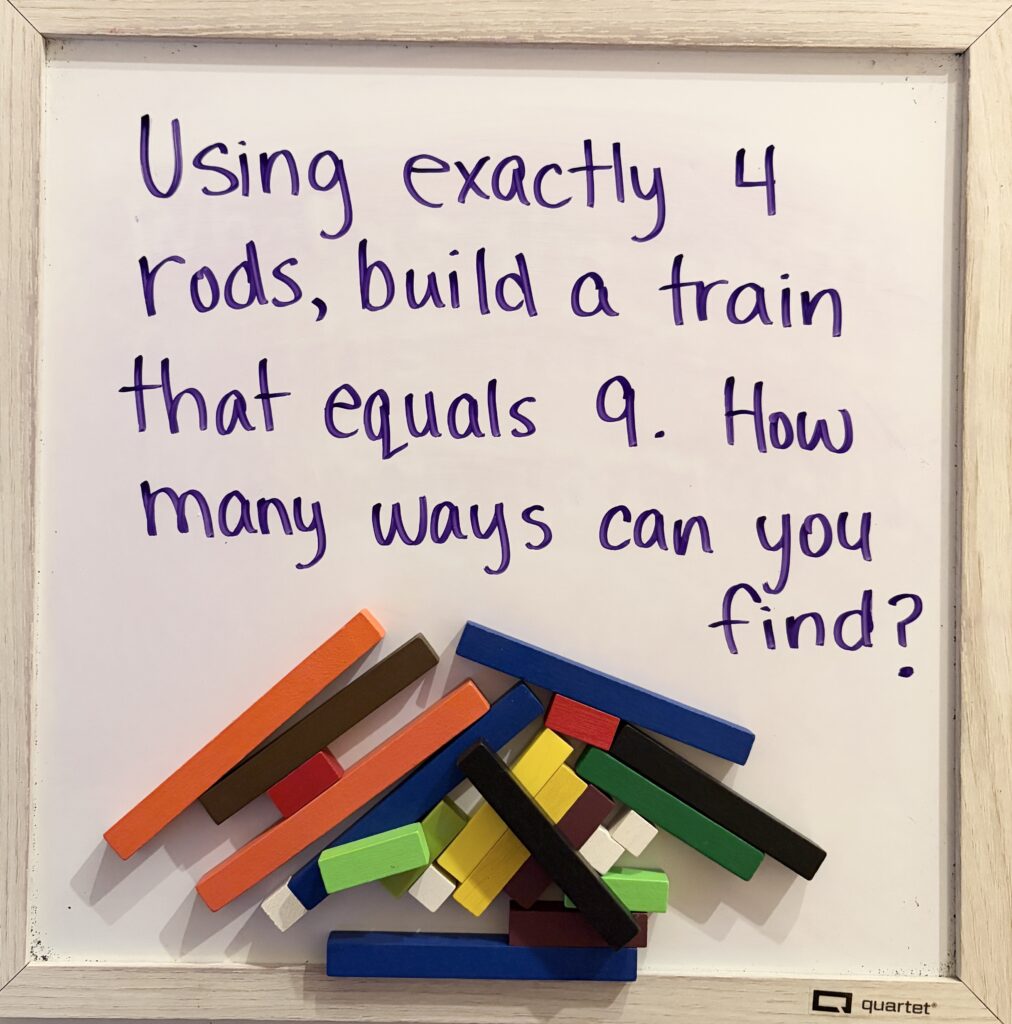
This shift completely transforms how kids work with the math. Suddenly, they aren’t just mindlessly finding answers; they are physically manipulating, comparing, and visualizing concepts. There are multiple entry points to allow success for all students.
Bring it to your classroom: Ready to dust off your math manipulatives and put them to work? Check out my Number Rod Reasoning Tasks. These task cards are specifically designed to bridge the gap between abstract math concepts and concrete modeling.
Shift #3: Toward Perserverance and Productive Struggle
Imagine a standard math worksheet featuring 50 multi-digit division or multiplication problems. For the students who already understand the concept, this is mindless busywork. For the students who don’t understand the concept, this is simply repetitive mimicking of a learned procedure that is not building any new or deeper understanding.
Traditional computation worksheets often measure speed and the ability to mimic, not deep understanding and the ability to transfer knowledge and skills to new situations. When we overemphasize these surface-level drills, we rob students of the chance to experience productive struggle – the sweet spot where real learning, new connections, and “a-ha moments” actually happen.
Now – this is not to say that computation worksheets have no place in the classroom. I believe they do; however, we need to be mindful of what the foundation of our instruction is being built on. If our instructional foundation is being built on worksheets where students simply mimic procedures, then we need to make a shift.
To make this shift, we can think about how we ask questions.
Instead of “What is 8×3?” try, “Write three different equations with a product between 21 and 24.”
Or elicit connection-making using questions like this one:
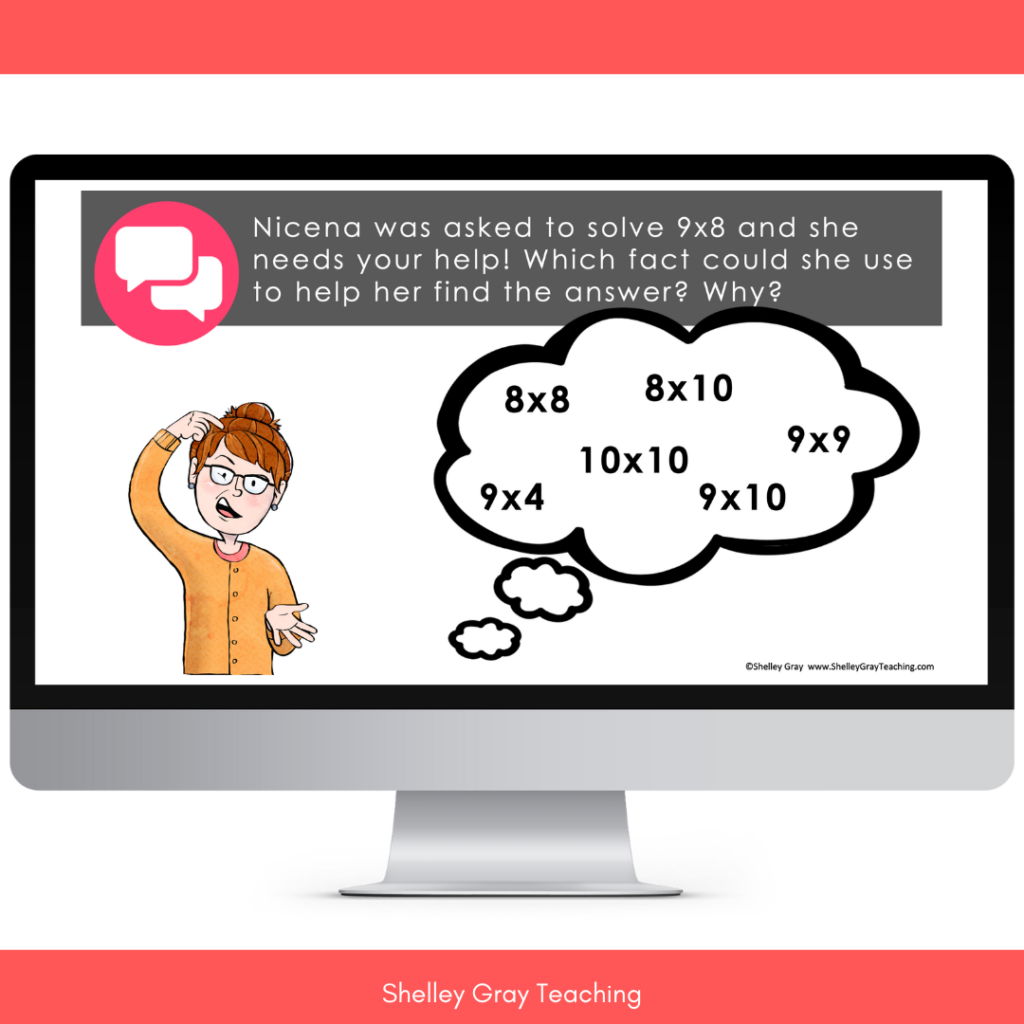
Another way to give kids the opportunity for productive struggle is with math puzzles that offer multiple entry points.
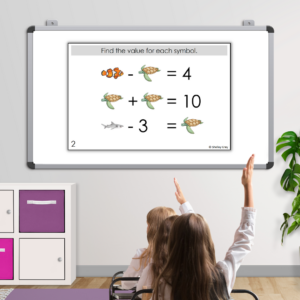
Try this Reasoning Puzzle and Logic Puzzle, and notice how you engage in productive struggle while you solve them! The thinking required for puzzles like this is very different than the thinking required for simple answer regurgitation questions.
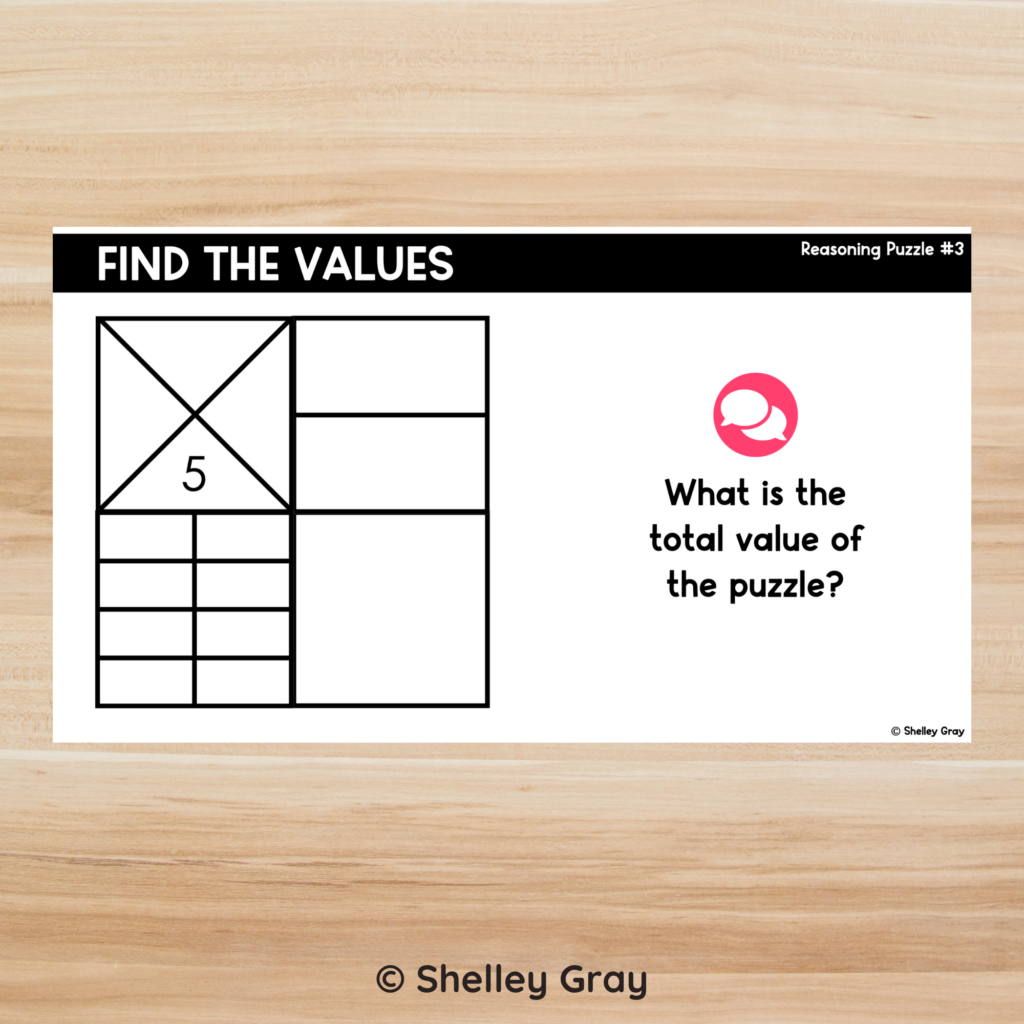
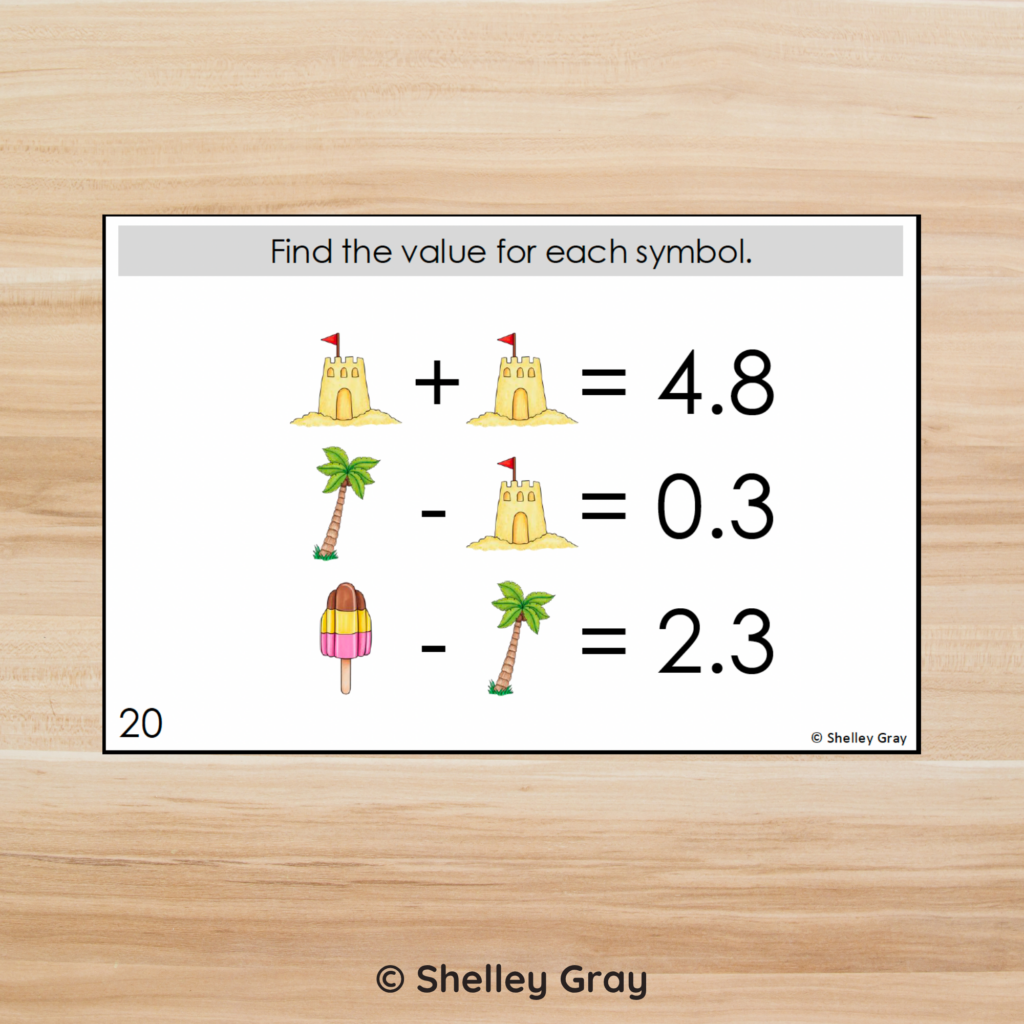
When you offer tasks that require real thinking rather than just rapid calculation, you build an environment where stamina and making mistakes is just a natural part of the solving process. You teach kids that the goal of math isn’t just to answer questions correctly as quickly as possible, but to build thinking skills and perseverance.
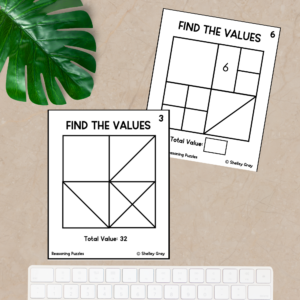
Bring it to your classroom: Want more puzzles like the ones above? Check out these popular Math Reasoning Puzzles and Logic Puzzles. They are the perfect tool for math centers, independent practice, or early finishers, offering the ideal amount of “productive struggle” to keep students challenged but still able to experience success.
Shifting from a math classroom focused on “answer-getting” to one rooted in mathematical reasoning and deep understanding doesn’t happen overnight. It is a journey for both you and your students. But by making small, intentional shifts to your daily routine and the way you ask questions, it will quickly become the norm in your classroom.
Start small. Pick just one shift to try this week, whether it’s a quick 10-minute math conversation at the start of class or a hands-on modeling task with manipulatives during small group instruction. Watch how your classroom transforms into an engaging space where students want to keep learning and challenging themselves!
2 Comments
I can testify that this type of shift in thinking is paramount! I incorporated many of you logic puzzles into my daily routine this year and the results were unbelievable! 96% of my (very average) class scored “Proficient” or “Distinguished” on our state testing this year! I am truly thankful for your resources!
This is incredible, Roberta! Thank you so much for sharing this with me! As a sidenote, your results are a direct reflection of your teaching – my resources are secondary. Great job!!